Custom Software vs. Off-the-Shelf: How to Choose
Packaged tools are fast to start but slow to fit. Here is a practical framework for deciding when to build custom and when to buy.
CMOORE Tech Services
Engineering Team
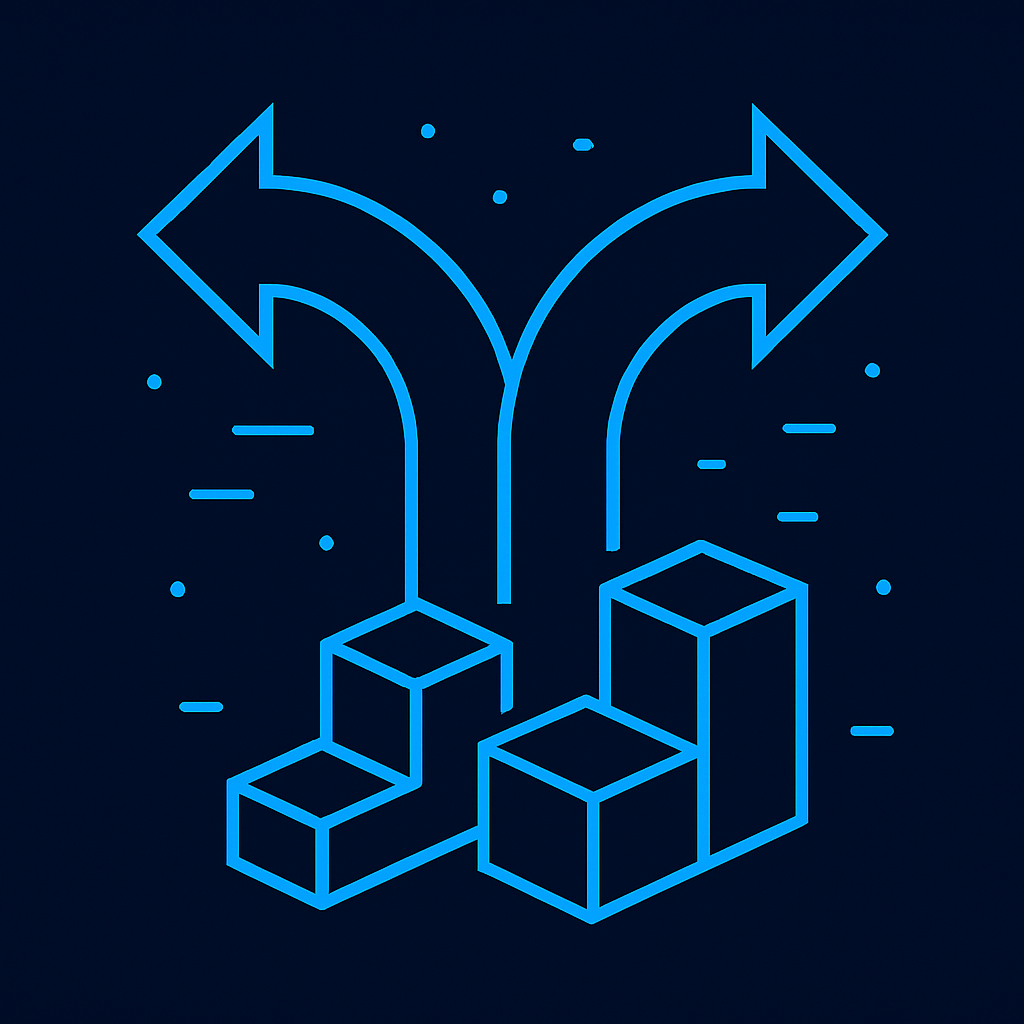
Every growing business eventually hits the same fork in the road: keep bending an off-the-shelf product to fit your process, or build something tailored to how you actually work. Both paths are valid — the mistake is choosing without a clear framework.
Off-the-shelf software is fast to adopt and inexpensive up front. Custom software costs more initially but fits precisely and compounds in value as your business grows. The right answer depends on how central the process is to your competitive advantage.
When off-the-shelf wins
For commodity functions — email, accounting, basic CRM — packaged tools are almost always the right call. These problems are well understood, and reinventing them rarely creates an advantage.
- The process is standard across most businesses
- A mature product already covers 90% of your needs
- Speed of adoption matters more than perfect fit
- You have no unusual integration or compliance demands
When custom software wins
When a process is core to how you compete, forcing it into someone else’s template creates friction your team works around every day. Custom software removes that friction and becomes an asset you own.
- The workflow is central to your business model
- Existing tools require constant manual workarounds
- You need deep integration across multiple systems
- Your data or compliance requirements are unique
A practical middle path
Often the best architecture is hybrid: buy commodity tools and build a thin custom layer that connects them and reflects your unique process. This keeps costs reasonable while still fitting your operations.
If you are unsure where a given process falls, start by mapping how much time your team spends working around current tools. That number usually makes the decision obvious.