Building Software That Scales Without Rework
Scalability is less about big infrastructure and more about decisions made early. Here are the choices that save you from costly rewrites.
CMOORE Tech Services
Engineering Team
Most scaling problems are not caused by traffic — they are caused by decisions made early that become expensive to change later. Good scalability is about keeping your options open, not over-engineering for a scale you may never reach.
Get the data model right first
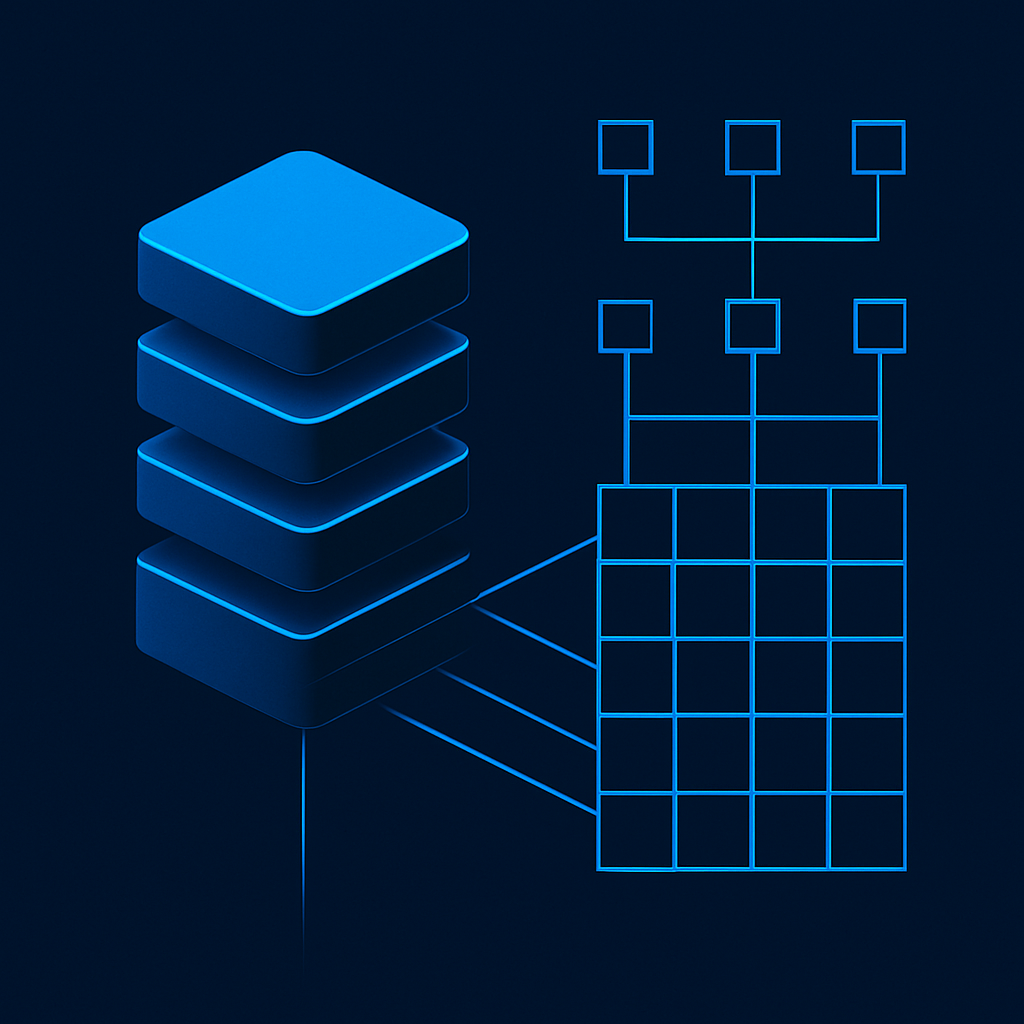
The hardest thing to change later is your data model. Time spent up front understanding your entities, relationships, and how they will evolve pays off more than any other early decision. A clean, well-normalized model gives you room to grow features without painful migrations.
Separate concerns from day one
Keeping your interface, business logic, and data access cleanly separated makes a codebase far easier to extend. When these layers blur together, every new feature risks breaking something unrelated — and that is what slows teams to a crawl.
- Keep business logic out of UI components
- Centralize data access behind clear interfaces
- Document the architecture so new work follows it
- Write code that is easy to delete, not just easy to add
Scale infrastructure when you need to
Premature infrastructure complexity is its own form of technical debt. Start with a simple, well-understood setup, add monitoring so you can see real bottlenecks, and scale specific components only when the data tells you to.
The teams that scale smoothly are rarely the ones with the most elaborate systems. They are the ones who made clean, reversible decisions early and let real usage guide the rest.